

What Every Irish Punter Needs to Know About the 2026 World Cup
- The first 48-team World Cup runs from June 11 to July 19, 2026 across 16 venues in the USA, Mexico, and Canada — with 104 matches reshaping every betting market from outright winner to group qualifiers.
- Ireland's heartbreak in Prague (penalties against Czechia, March 2026) means we watch as neutrals, but Scotland in Group C with Brazil offers the emotional anchor Irish fans need.
- Fractional odds currently favour Argentina, France, and Brazil at the top of the outright market, though the expanded format creates genuine dark horse value at longer prices.
- Late kick-offs dominate the schedule — most matches fall between 20:00 and 02:00 IST, making pre-match analysis and accumulator strategy more important than ever for Irish punters.
The Biggest World Cup in History
I covered my first World Cup as a betting analyst in 2018, when 32 teams descended on Russia and the group stage still felt like a manageable puzzle. Eight years later, the puzzle has doubled in size. The 2026 FIFA World Cup — spread across the United States, Mexico, and Canada from June 11 to July 19 — features 48 nations, 12 groups of four, and 104 matches crammed into 39 days. That is not a minor expansion. It is a structural overhaul of the tournament, and for anyone placing a bet this summer, understanding the new architecture is the difference between punting blind and punting smart.

The arithmetic alone changes the game. Twelve groups replace eight. The top two from each group advance automatically, and the eight best third-placed teams join them in a round of 32. That means 32 of 48 teams survive the group stage — a qualification rate of 66.7%, up from 50% under the old format. For bettors, that compression of jeopardy in the group stage has real consequences. A traditional favourite losing their opening match no longer triggers a crisis; they can recover through third place. The group stage becomes less about survival and more about positioning, which tilts value away from match result bets and toward markets like group winner, top group scorer, and total goals.
The 2026 World Cup features 104 matches — 40 more than the 64-match format used from 1998 to 2022. That is roughly three matches per day during the group stage, more football than any single tournament has ever offered.
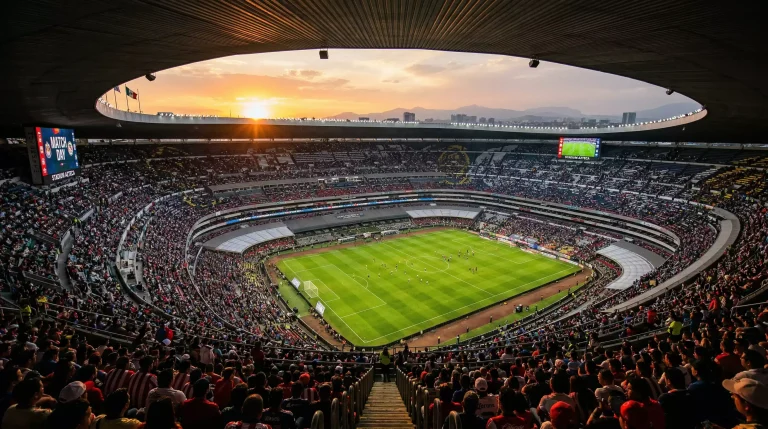
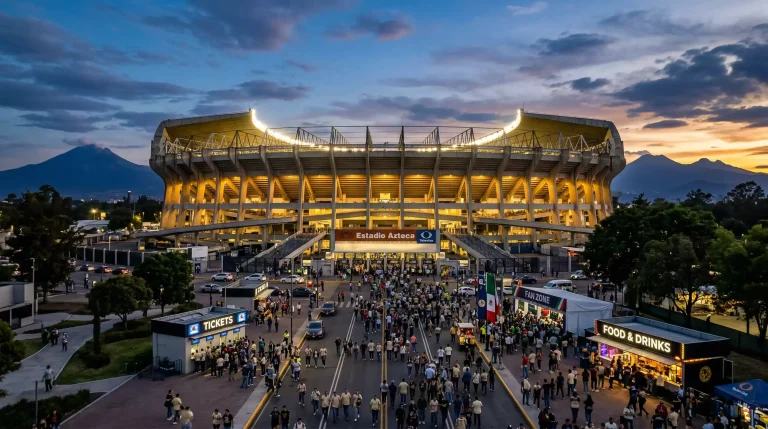
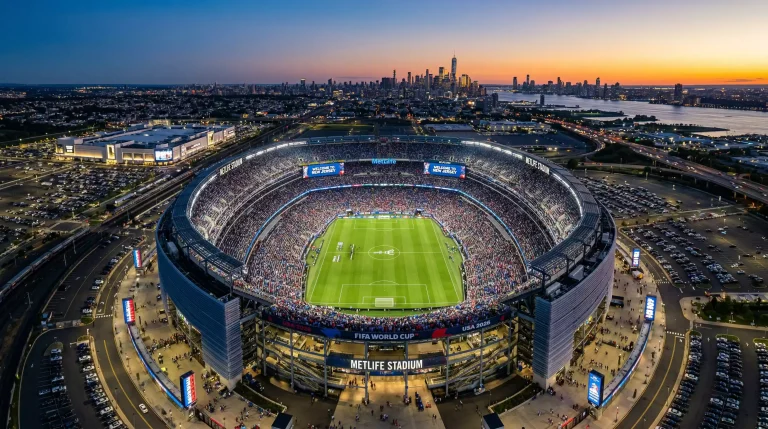
Three host nations share the stage. The United States provides 11 of the 16 venues, from MetLife Stadium in East Rutherford (the final on July 19) to Levi's Stadium in Santa Clara and Lumen Field in Seattle. Mexico contributes three stadiums — including the Estadio Azteca, which hosts the opening match on June 11 and becomes the first venue to feature in three separate World Cups. Canada adds BMO Field in Toronto and BC Place in Vancouver. The geographic spread matters for punters because it introduces time zone complexity: matches in Mexico City kick off an hour earlier than those in New York, and two hours earlier than games on the west coast. For Irish fans sitting in Dublin or Cork at midnight, that distinction determines whether you are watching a 23:00 IST kick-off or a 02:00 IST one.
The format also introduces a knockout bracket that no living punter has navigated before. The round of 32 — a stage that did not exist in the 32-team era — adds an extra elimination round before the quarter-finals. For outright and each-way bets, this means an additional match where anything can happen, where penalties and extra time can derail a favourite's run. In my experience, every additional knockout round compresses odds at the top and stretches them at the bottom, creating pockets of value on teams priced between 25/1 and 80/1 who have a genuine path to the last eight.
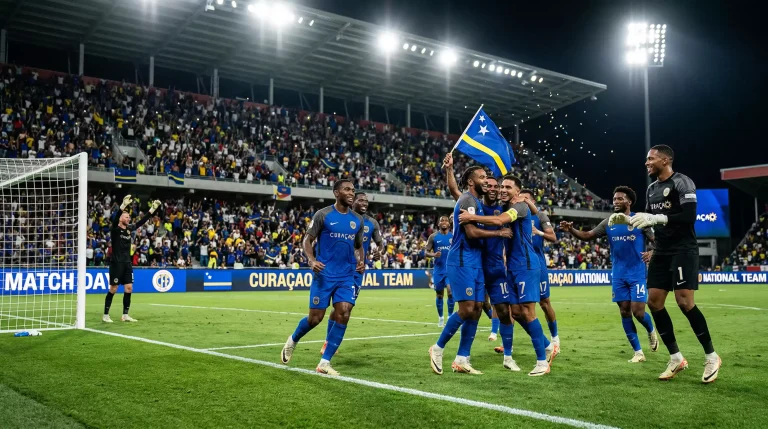
FIFA confirmed the final group compositions in the draw ceremony, and the 48 qualified nations span every confederation. Debutants like Haiti and Curaçao sit alongside five-time champions Brazil and defending title holders Argentina. For the first time, the tournament includes teams from nations with populations under 200,000, competing on the same pitches as squads assembled from the world's wealthiest club leagues. That disparity creates lopsided group-stage matchups — and lopsided odds — but history tells us the World Cup always produces at least one result that makes the bookmakers wince.
The 48-team format changes the betting landscape fundamentally. With 66.7% of teams qualifying from the group stage, traditional group-stage match bets lose some of their edge. The real value shifts to outright markets, group winner bets, and the expanded knockout rounds where an extra elimination stage increases variance.
I have modelled three World Cup cycles now — Russia, Qatar, and this one. The 2026 edition is the hardest to price, and that difficulty is exactly where opportunity lives. More matches, more teams, more unknowns: the bookmakers are working with less historical data than at any point since the tournament expanded to 32 teams in 1998. When the market is uncertain, the informed punter has an edge. That is what this site exists to provide.
But before we look at odds and markets, there is an emotional story that every Irish reader of this page carries into the tournament — a story that ended on a cold night in Prague.
Ireland's Near Miss — and Where to Channel That Energy
March 26, 2026. A Wednesday night in Prague. The score locked at 2-2 after 120 minutes, and Troy Parrott — the man who had dragged Ireland through the entire qualifying campaign with six goals — stepping up for the decisive penalty. You know what happened next. Czechia's goalkeeper guessed right, the ball was saved, and Ireland's World Cup dream dissolved for the sixth consecutive cycle. We have not been at a World Cup since 2002, and this time the margins were thinner than ever.
The qualifying campaign deserved better than a penalty shootout exit. Ireland finished second in Group F behind Portugal, which is no disgrace, but the manner of it suggested something more than mere competence. Parrott's goal against Portugal in Dublin — a night when the Aviva Stadium shook in a way it had not since the Trapattoni years — proved this squad could compete with Europe's elite. A late winner against Hungary secured the playoff spot. The squad, built around Premier League regulars and a tactical discipline that frustrated superior opponents, earned its shot at the World Cup. Prague took it away.

I am not going to pretend that writing a World Cup betting guide for an audience whose team is not at the tournament is straightforward. It is not. But Irish football culture has a long and honourable tradition of adopting a second team, and the 2026 draw has handed us the perfect candidate.
Scotland sit in Group C alongside Brazil, Morocco, and Haiti. The Tartan Army and Irish supporters share more than a Celtic heritage — they share a gallows humour about international football, a deep affection for the underdog role, and a capacity for away-day atmosphere that puts wealthier football nations to shame. Scotland qualifying for a World Cup in which Ireland are absent is painful, but it also provides a storyline that every Irish neutral can invest in. Brazil versus Scotland is the fixture that will fill pubs from Galway to Dundalk, and if you are reading this page, I suspect you already know which side you will be cheering for.
England in Group L offer a different kind of draw. The relationship between Irish and English football is complicated — shaped by decades of shared Premier League loyalty, historical baggage, and the peculiar dynamic of supporting Declan Rice in an Arsenal shirt but not necessarily in a Three Lions one. Still, England's group features Croatia, Panama, and Ghana, and the familiarity of the players involved means Irish punters will have strong opinions on every match.
Ireland's absence stings, but the 2026 World Cup offers Irish neutrals two powerful emotional threads: Scotland's adventure in Group C and England's campaign in Group L. The neutral's guide on this site is built around exactly that dynamic — who to support, who to bet on, and how to enjoy 39 days of football without your own team on the pitch.
The Parrott generation is young. The qualifying campaign proved Ireland can compete. But that is a conversation for another cycle. Right now, the World Cup is 48 teams strong, and our job is to find value in every group, every market, and every late-night kick-off. Let us get to work.
And the first step is understanding who is in which group — because in a 48-team tournament, the draw shapes everything.
All 12 Groups at a Glance
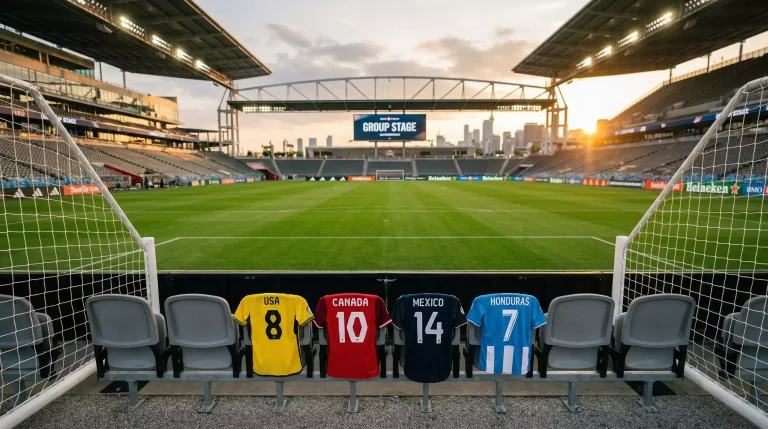

Twelve groups. Forty-eight teams. And somewhere in that grid of flags and fixtures, the 2026 World Cup champion is already assigned a path to the final. The draw ceremony delivered a few gasps — Scotland paired with Brazil, England meeting Croatia again — and a few head-scratchers, but the overall picture is a tournament where every group contains at least one genuine betting puzzle. Here is the full layout, followed by the groups I think matter most for Irish punters.
| Group | Team 1 | Team 2 | Team 3 | Team 4 |
|---|---|---|---|---|
| A | Mexico | South Korea | South Africa | Czechia |
| B | Canada | Switzerland | Qatar | Bosnia & Herzegovina |
| C | Brazil | Morocco | Scotland | Haiti |
| D | USA | Australia | Paraguay | Turkey |
| E | Germany | Ecuador | Côte d'Ivoire | Curaçao |
| F | Netherlands | Japan | Tunisia | Sweden |
| G | Belgium | Iran | Egypt | New Zealand |
| H | Spain | Uruguay | Saudi Arabia | Cabo Verde |
| I | France | Senegal | Norway | Iraq |
| J | Argentina | Austria | Algeria | Jordan |
| K | Portugal | Colombia | Uzbekistan | DR Congo |
| L | England | Croatia | Panama | Ghana |

Group C: The One Ireland Will Be Watching
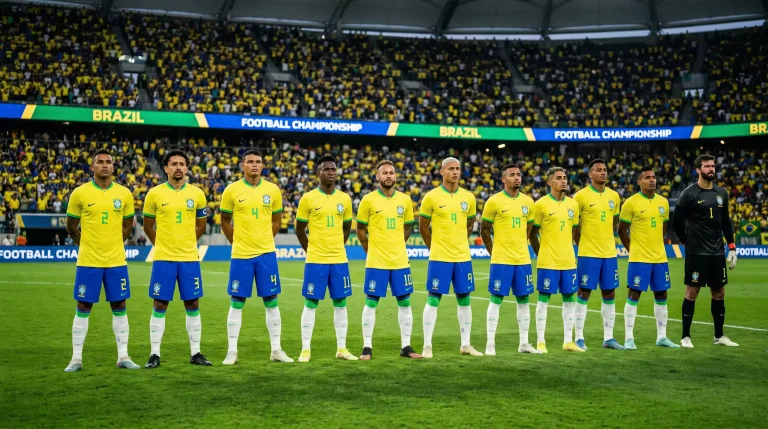
If you are Irish and you do not already have a favourite in this group, you are lying. Scotland face Brazil in what might be the most romantic fixture of the entire group stage — the Tartan Army against the five-time champions, with the whole of Ireland behind them. Morocco, fresh from their 2022 semi-final run, add genuine danger. Haiti, returning to the World Cup for the first time since 1974, complete a group that is equal parts jeopardy and joy. Brazil are favourites to top the group, but Scotland's route to qualification — through second place or as a best third-placed team — is credible. I will have a full breakdown in the Group C preview, but the short version is this: do not sleep on Scotland, and do not ignore Haiti's capacity to take points off anyone on a given day.
Group L: The Premier League Group
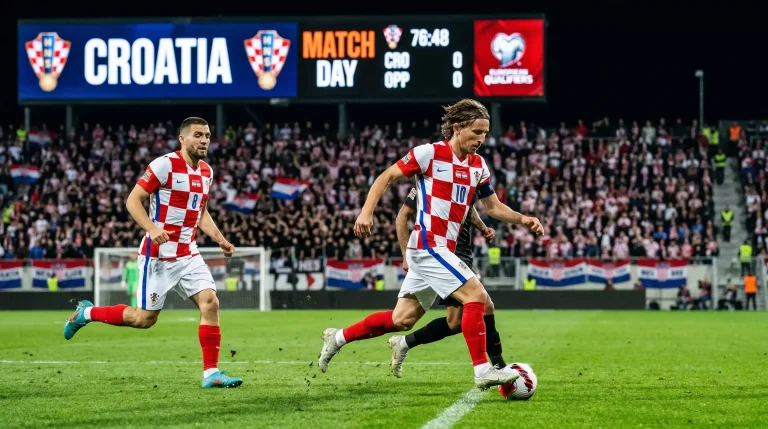
England versus Croatia is a World Cup rivalry that has produced drama at every turn — the 2018 semi-final, the 2021 Euros opener — and their meeting in Group L will be the most-watched fixture for Irish fans who follow the Premier League. Panama and Ghana fill out the group, and neither should be dismissed. Ghana's rebuilding project has produced a squad with pace and unpredictability, and Panama showed in 2018 that they can compete physically at this level. For Irish viewers, this group is wall-to-wall familiar faces: Bellingham, Gvardiol, the Ayew brothers. The Group L preview covers every angle.
Groups of Death and Groups of Opportunity
Group F — Netherlands, Japan, Tunisia, Sweden — is the group I would least want to bet on with confidence. Japan's rise over the past two cycles has been extraordinary, and they now boast a squad packed with Bundesliga and Premier League talent. The Netherlands are perpetual contenders who perpetually find a way to complicate things. Tunisia and Sweden are both capable of taking points off the top two. If you are looking for a group where an upset is likely, this is it.
Group H pits Spain against Uruguay, Saudi Arabia, and Cabo Verde. Spain's young squad — the core that won Euro 2024 — makes them heavy favourites, but Uruguay in a World Cup are never straightforward. Saudi Arabia shocked Argentina in the 2022 group stage, and while a repeat is unlikely, they are not passive opponents. This is a group where the winner market has clear value if you believe in Spain's trajectory.
Group J looks the most lopsided on paper. Argentina, the defending champions, face Austria, Algeria, and Jordan. Scaloni's side should cruise, and the group winner market here is one of the most predictable in the tournament. The value, if it exists, is in second place — Austria have the squad depth and European pedigree to emerge, but Algeria's AFCON pedigree makes them a live contender.
Group A opens the tournament with hosts Mexico against South Africa at the Estadio Azteca on June 11. Czechia — the team that ended Ireland's dream — sit in this group alongside South Korea. There will be more than a few Irish punters with a vested interest in Czechia's results, and I suspect the emotional bet against them will be a popular one in pubs across the country.
The 2026 World Cup is the first in which three host nations share the tournament. Mexico's Estadio Azteca becomes the only stadium in history to host matches in three different World Cups — 1970, 1986, and 2026.
The full groups and draw analysis covers every group in detail, but the takeaway for bettors is straightforward: in a 48-team format where 32 qualify from the group stage, the traditional "group of death" concept loses some of its teeth. Even a third-place finish can be enough. That changes where the value lies — and it makes group winner bets, rather than qualification bets, the smarter play in most cases.
Now that you know who is playing whom, the next question is the one every punter asks first: who is going to win?
Early Odds: Who's Favoured to Lift the Trophy?



The outright winner market opened months ago, and it has already told us more than most pundits have managed in the same period. Argentina, the defending champions, sat at the top of the market immediately after the draw — but their price has drifted as questions mount about the post-Messi transition and a squad that looked vulnerable in South American qualifying. France and Brazil have traded places as second and third favourites, with England and Spain hovering just behind. The story the odds are telling is one of genuine uncertainty at the top, which is exactly the kind of market I love.
Let me frame this in fractional odds, since that is what most Irish bookmakers display. As of April 2026, the outright market looks roughly like this across major licensed operators:
| Team | Fractional Odds | Decimal | Implied Probability |
|---|---|---|---|
| Argentina | 9/2 | 5.50 | 18.2% |
| France | 5/1 | 6.00 | 16.7% |
| Brazil | 11/2 | 6.50 | 15.4% |
| England | 7/1 | 8.00 | 12.5% |
| Spain | 8/1 | 9.00 | 11.1% |
| Germany | 12/1 | 13.00 | 7.7% |
| Portugal | 14/1 | 15.00 | 6.7% |
| Netherlands | 16/1 | 17.00 | 5.9% |

Those implied probabilities add up to well over 100% — the overround is the bookmaker's margin — but even adjusting for that, the market is saying something important: no single team commands more than roughly a one-in-five chance. Compare that to Qatar 2022, where Brazil and Argentina were both priced around 4/1 and the market had a clearer hierarchy. In 2026, the expanded format has flattened the top of the market because more knockout rounds mean more variance, and more variance means the favourite's path to glory is longer and more treacherous.
The flattened outright market is your friend. When no team has a dominant implied probability, each-way bets on teams in the 14/1 to 33/1 range — Portugal, Netherlands, Colombia, Uruguay — carry serious value. A deep run to the semi-finals pays out on the each-way portion even if they do not lift the trophy.
The dark horse tier is where I expect the sharpest value to emerge. Morocco, priced around 33/1 after their 2022 semi-final, have a squad that has only improved. Colombia, at similar odds, boast a generation of attackers playing at the highest club level in Europe. Japan, whose disciplined style and Premier League contingent make them a nightmare to play against, sit around 40/1. These are not novelty bets — they are teams with realistic paths to the quarter-finals and beyond, priced as if they are making up the numbers.
I will go deeper into every outright market, top scorer odds, and group winner prices in the dedicated World Cup 2026 odds breakdown. For now, the headline is that this is a tournament where the market itself is telling you: do not put all your eggs in one basket. Spread your risk, look for value at longer prices, and respect the fact that 104 matches across 39 days will produce enough chaos to humble any single-team strategy.
Knowing who the favourites are is one thing. Knowing how to actually bet on a World Cup — which markets, which stages, which strategies — is another.
Type fractional (e.g. 9/2), decimal (e.g. 5.50) or “evens”. Implied probability = the chance the odds represent, before the bookmaker margin.
An each-way bet is two bets — Win + Place — so total outlay is 2× your stake per part. “Places” terms (e.g. 1/4) set what the place part pays. Example on this site: Morocco each-way at 33/1 to reach the semi-finals.
Combining short-priced group-stage favourites into a 2–3 fold is popular with Irish punters — but every added leg multiplies the bookmaker margin too.
Add every outcome in a market (e.g. the outright field or a 1X2). The book percentage above 100% is the bookmaker’s margin — lower is better for you.
A Punter's Roadmap to World Cup Betting




The first World Cup bet I ever placed was a 5/1 outright on Brazil in 2014. They lost 7-1 to Germany in the semi-final, and I learned a lesson that every punter absorbs eventually: tournaments are not leagues. Form, fitness, squad depth, and sheer luck interact differently across a five-week knockout format than they do over a 38-match domestic season. The full betting guide covers every market and strategy in detail, but here is the roadmap — the structure I use to approach a World Cup as an analyst and as someone who puts his own money down.
A World Cup breaks into three distinct betting phases, each demanding a different approach. The group stage — June 11 to June 28 — offers the highest volume of matches and the most data to work with. Three matches per group, four teams, and a clear qualification structure mean you can build positions across match results, group winners, and player markets with relatively high confidence. The group stage is where accumulators shine, because the volume of fixtures lets you combine short-priced selections across multiple matches in a single day. I typically allocate about 40% of my World Cup bankroll to this phase.
Accumulator (Acca) — a single bet that combines multiple selections, where all must win for the bet to pay out. Popular in Ireland for group-stage World Cup matches, where combining two or three short-priced favourites can produce odds of 3/1 to 6/1 from individually modest prices.
The knockout rounds — from the round of 32 on June 29 through the final on July 19 — shift the landscape entirely. Every match is sudden death, extra time and penalties become live factors, and the draw market (result after 90 minutes, not the match outcome) gains importance. In my experience, the best knockout value lives in the "to qualify" market rather than the match result market, because it strips out the draw option and forces a binary outcome. The other knockout market I watch closely is both teams to score, which hits at a higher rate in elimination matches where defensive caution early gives way to desperation late.
Between those two phases, you want a bankroll strategy that keeps you in the game for the full 39 days. The biggest mistake I see Irish punters make during a World Cup is front-loading their budget on the group stage and having nothing left for the semi-finals. A simple rule: divide your total World Cup budget into weekly portions. Four weeks, four equal slices. If you run hot early, you have a buffer. If the group stage treats you badly, you still have ammunition for the knockouts when value tends to be sharpest.
A World Cup is a marathon, not a sprint. Divide your bankroll across all four weeks, prioritise accumulator bets in the group stage, and shift to "to qualify" and both teams to score markets in the knockouts. The full strategy — including market-by-market breakdowns — is in the complete betting guide.
Strategy is important, but for Irish fans, there is a practical concern that shapes every plan: when do the matches actually kick off?
Kick-Off Times for Irish Fans

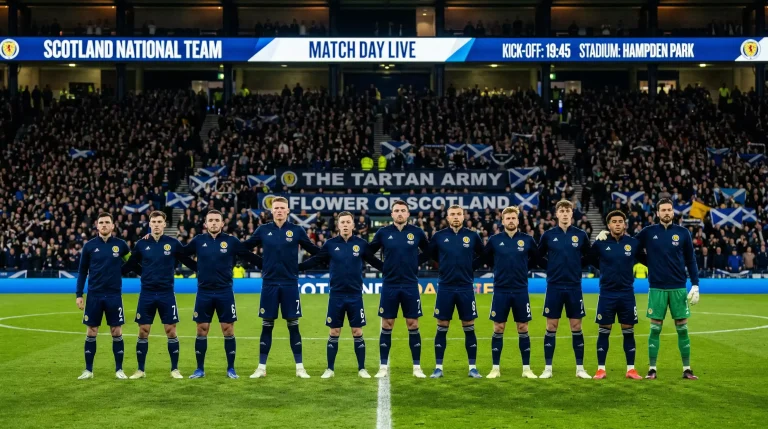
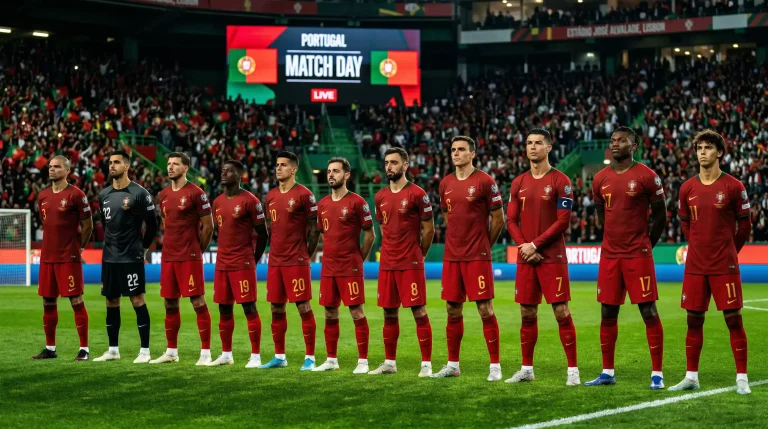
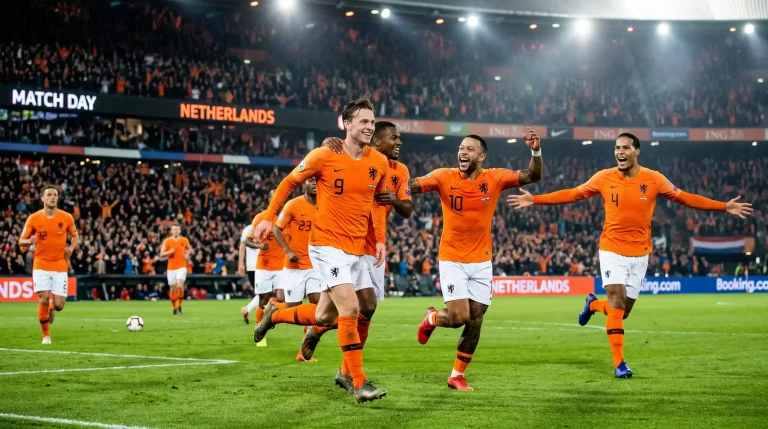
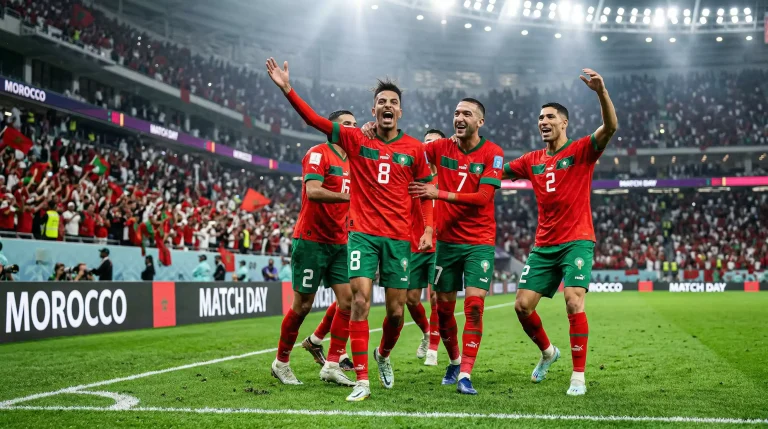
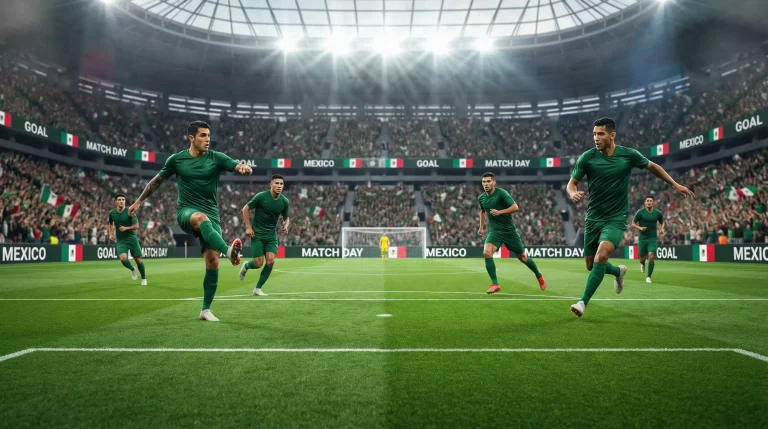
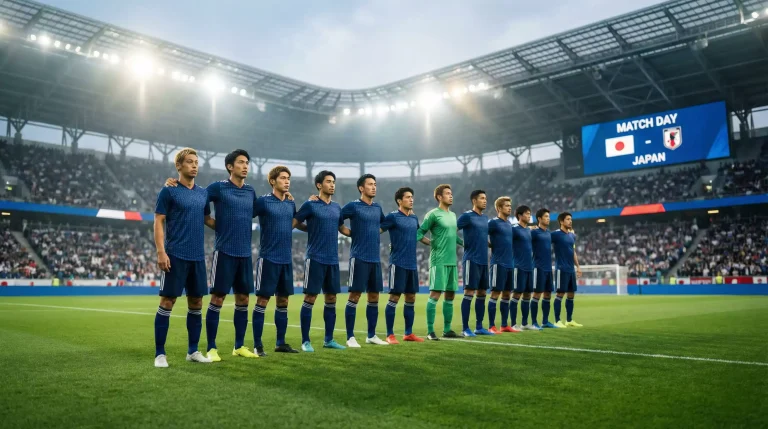
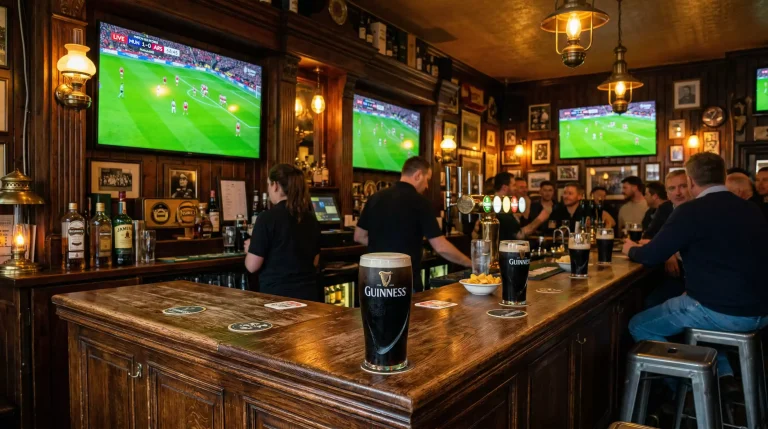

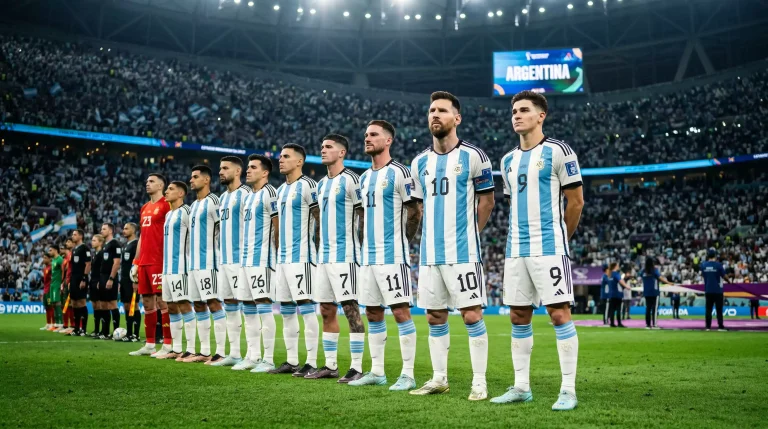
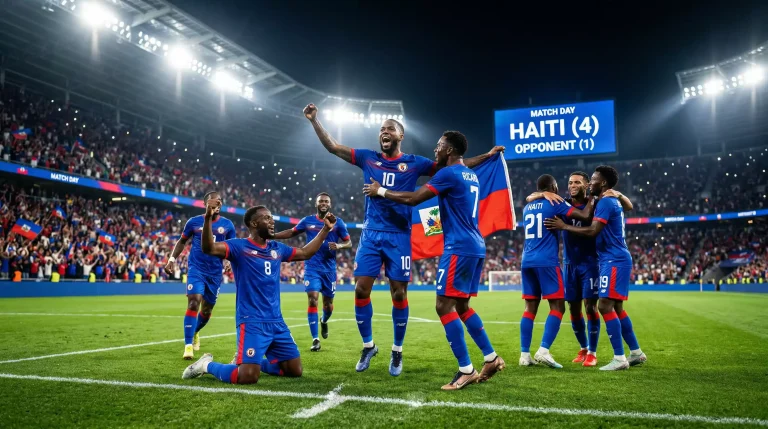
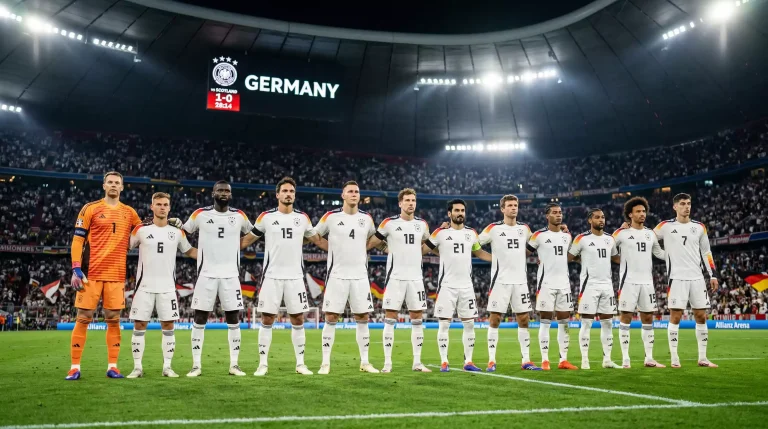
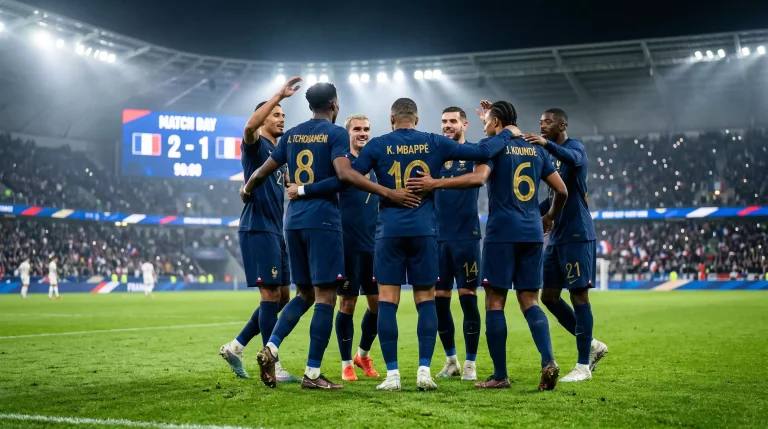
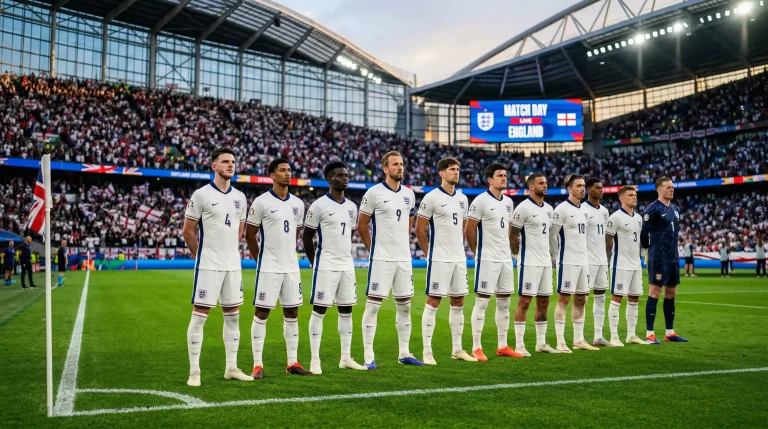
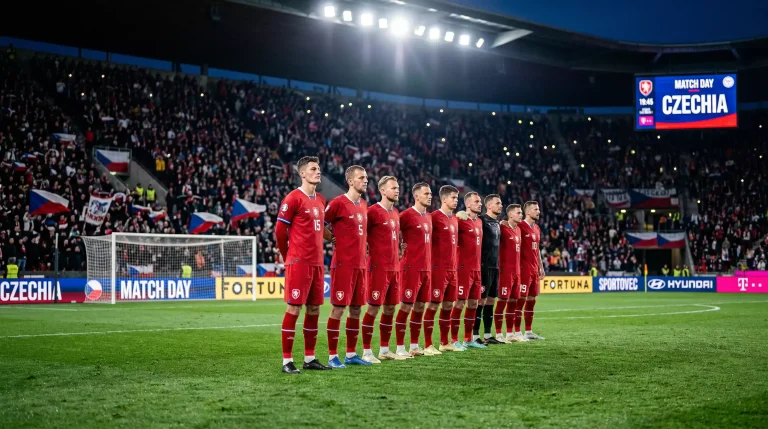
Here is the uncomfortable truth about a World Cup held in North America: most matches will kick off after your dinner and many will finish after your bedside lamp should have been switched off hours ago. During the tournament — June 11 to July 19 — Ireland sits on Irish Summer Time (IST), which is UTC+1. The eastern United States runs on Eastern Daylight Time (EDT), which is UTC-4. That gives us a five-hour gap, and it means a midday kick-off in New York is a 17:00 start in Dublin. A prime-time American kick-off at 21:00 EDT does not begin until 02:00 IST. Sleep is optional. Coffee is mandatory.
The likely kick-off windows for group-stage matches, converted to Irish Summer Time, break down as follows:
| US/Mexico Local Time (ET) | Irish Summer Time (IST) | Notes |
|---|---|---|
| 12:00 ET | 17:00 IST | Early matches — ideal for Irish viewers |
| 15:00 ET | 20:00 IST | Prime evening viewing in Ireland |
| 18:00 ET | 23:00 IST | Late evening — workable for most |
| 21:00 ET | 02:00 IST (+1) | After midnight — the late-night sessions |
Matches in Mexico kick off in Central Time (CT), which is one hour behind Eastern — so an 18:00 CT kick-off in Mexico City translates to midnight IST. West coast venues in Seattle, San Francisco, and Los Angeles operate on Pacific Time (PT), three hours behind Eastern, which means a 19:00 PT match starts at 03:00 IST. If Scotland draw a late fixture on the west coast, expect pubs in Dublin to apply for extended licences and punters to arrive with the kind of determination usually reserved for Christmas Eve.
The practical consequence for betting is that pre-match analysis becomes more valuable than ever. If you cannot watch every match live — and unless you are taking two weeks off work, you cannot — then placing your bets before kick-off based on solid research is more important than relying on in-play markets you will be too tired to follow. I would recommend identifying the five or six "must-watch" fixtures each week and building your betting around those, rather than trying to cover every 02:00 IST kick-off with bleary-eyed live bets.
The full match schedule in Irish time lists every fixture with IST kick-off times, so you can plan your viewing — and your punting — around the reality of Irish time zones rather than the fantasy of watching all 104 matches.
With the schedule mapped out, it is time for the part of this guide I enjoy writing most: the predictions.
Our Boldest Predictions for 2026
Nine years of covering international football betting markets have taught me that the best predictions are the ones you can defend with data and narrative, not just gut feeling. I have spent the last several months modelling this tournament — squad strength, qualifying form, draw difficulty, historical patterns at expanded tournaments — and here is where I have landed. These are not hedged opinions. They are positions I would stake money on, and in several cases already have.

Outright Winner: France
Argentina are the defending champions and the market favourites, but I think France represent the best combination of squad depth, tournament pedigree, and a manager who understands knockout football. Mbappé enters this World Cup in his absolute prime — 27 years old, settled at his club, and carrying the hunger of a player who lost the 2022 final despite a hat-trick. The French squad is stacked across every position, with genuine alternatives on the bench who would start for most other nations. Two finals in the last three World Cups is not a coincidence; it is a system. At 5/1, France are the value pick at the top of the market. The full reasoning is in the predictions page on this site.
Dark Horse: Morocco
The 2022 semi-final was not a fluke. Morocco's defensive structure, their fanatical support (even as a "neutral" venue, stadiums near large Moroccan diaspora communities will feel like home), and the maturity of a squad that has been through a World Cup deep run before make them genuine last-eight material. At prices around 33/1, backing Morocco each-way to reach the semi-finals is one of the most attractive bets in the tournament.
Group Stage Shock: Japan to Top Group F
The Netherlands are favourites in Group F, but Japan's squad — loaded with players from the Bundesliga, Premier League, and La Liga — is arguably stronger across the pitch than the Dutch. Japan beat both Germany and Spain in the 2022 group stage. A repeat against the Netherlands is not only plausible, it is the logical extension of a trajectory that has been building for a decade. Japan to win Group F, at odds around 3/1, is a bet I have already placed.
Golden Boot: A Player From a Team That Reaches the Semi-Finals
This is not a cop-out — it is a structural observation. The expanded 48-team format means the Golden Boot winner will likely play seven matches (three group, plus round of 32, quarter-final, semi-final, and final). Players from teams eliminated in the group stage or round of 32 simply will not have enough games to compete. Look for forwards from France, Argentina, Brazil, or England — teams with clear primary strikers who take penalties and play in systems that create volume. Mbappé is the obvious candidate, but keep an eye on any Argentine forward who inherits the captain's armband and the penalty-taking duties.
Scotland's Ceiling: Round of 32
I want Scotland to go further — and so does every Irish person reading this — but the data says Group C is genuinely difficult. Brazil and Morocco are both likely to finish above Scotland, which means the Tartan Army's best realistic path is a third-place finish and qualification as one of the eight best third-placed teams. That is not a failure. It is progress. And if Scotland reach the round of 32, anything can happen in a single knockout match. I would back Scotland to qualify from the group at odds around 6/4, and I would treat anything beyond that as a bonus.
Five bets I am carrying into the tournament: France outright at 5/1, Morocco each-way at 33/1, Japan to top Group F at 3/1, Scotland to qualify from Group C at 6/4, and a Golden Boot punt on a French forward. The detailed reasoning, historical data, and alternative picks are all in the full predictions breakdown.
Before you head deeper into the site, here are the answers to the questions I get asked most often about the 2026 World Cup and betting on it from Ireland.
Frequently Asked Questions
When does the 2026 World Cup start and finish?
The tournament runs from June 11 to July 19, 2026. The opening match — Mexico versus South Africa — takes place at the Estadio Azteca in Mexico City on June 11. The final is at MetLife Stadium in East Rutherford, New Jersey on July 19. The group stage spans June 11-28, with the knockout rounds beginning on June 29.
How many teams are in the 2026 World Cup?
Forty-eight teams compete in the 2026 edition, up from 32 at every World Cup since 1998. The teams are divided into 12 groups of four. The top two from each group and the eight best third-placed teams advance to a round of 32, meaning 32 of the 48 teams survive the group stage. This expanded format adds an extra knockout round before the quarter-finals.
Did Ireland qualify for the 2026 World Cup?
No. The Republic of Ireland finished second in qualifying Group F behind Portugal and entered the European playoffs (Path D). In the playoff semi-final on March 26, 2026, Ireland drew 2-2 with Czechia in Prague but lost 4-3 in the penalty shootout. It was Ireland's closest approach to World Cup qualification since 2002, with Troy Parrott scoring six goals across the qualifying campaign.
Is it legal to bet on the World Cup in Ireland?
Yes. Online and in-person sports betting is legal in Ireland under the Gambling Regulation Act 2024. The Gambling Regulatory Authority of Ireland (GRAI) oversees licensing and consumer protection. Remote betting licences are being issued from July 1, 2026, and established operators continue to serve Irish customers under existing arrangements. Bettors must use EUR and should be aware of new regulations including mandatory deposit limits and a ban on credit card gambling. The currency for all Irish betting is the euro.
What time do World Cup matches kick off in Ireland?
During the tournament, Ireland is on Irish Summer Time (IST / UTC+1). Matches in the eastern United States kick off five hours behind IST — so a 12:00 ET match starts at 17:00 IST, while a 21:00 ET fixture begins at 02:00 IST the following morning. Matches in Mexico (Central Time) and the US west coast (Pacific Time) are shifted further, with some fixtures not starting until 03:00 or 04:00 IST. The full schedule converted to Irish time is available on our dedicated schedule page.
What odds format do Irish bookmakers use?
Irish bookmakers traditionally display odds in fractional format — for example, 5/1 or 11/4 — which is the same system used in the UK. Decimal odds (6.00 or 3.75) are increasingly available on online platforms, especially for younger punters accustomed to European operators. Most Irish-facing bookmakers let you toggle between formats. Throughout this site, I use fractional odds as the primary format with decimal equivalents noted where helpful.
